

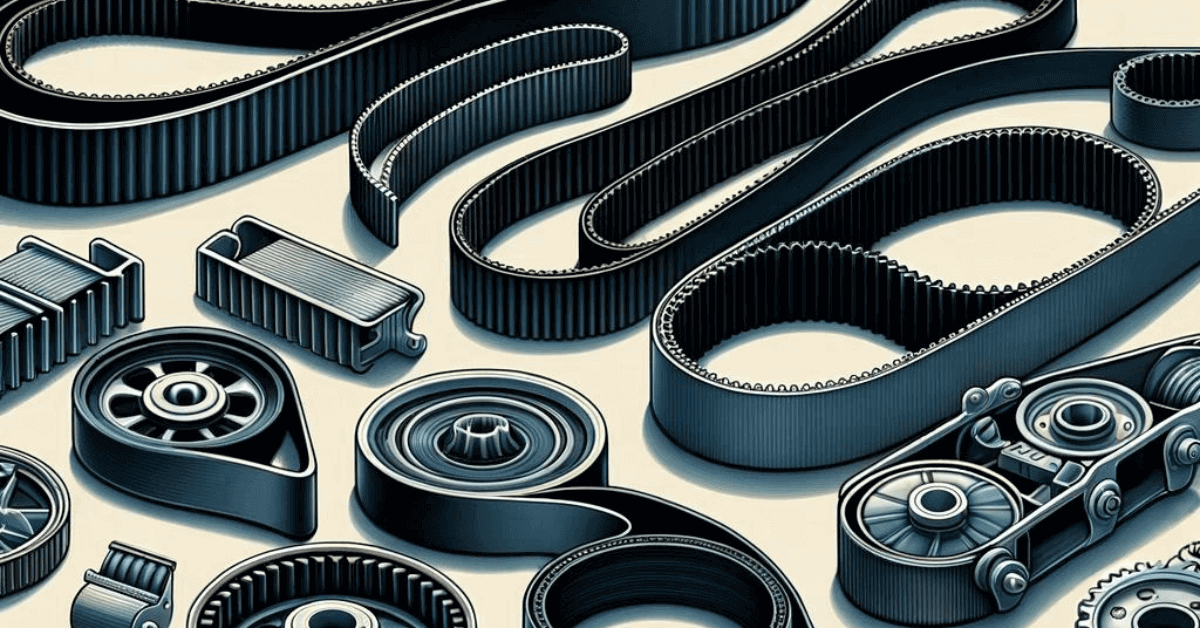
Drive belts are essential components of any vehicle’s engine system. They are crucial in transferring power from the engine to various components such as the alternator, water pump, power steering pump, and air conditioning compressor. These components wouldn’t operate efficiently without properly functioning drive belts, leading to potential breakdowns and costly repairs.
Importance of Drive Belts in Automotive Systems
The significance of drive belts in automotive systems cannot be overstated. These belts ensure power is distributed smoothly to essential engine components, allowing the vehicle to operate seamlessly. Without them, the engine would fail to function correctly, resulting in a breakdown or even engine damage.
Types of Drive Belts
There are primarily two types of drive belts used in vehicles: serpentine belts and V-belts. Serpentine belts are flat, ribbed belts that wrap around multiple pulleys in a serpentine pattern, hence the name. They are commonly found in modern vehicles due to their efficiency and compact design. On the other hand, V-belts, also known as fan belts, have a V-shaped cross-section and are used in older vehicles or in specific applications where serpentine belts are unsuitable.
Signs of Drive Belt Wear and Tear
Identifying signs of drive belt wear and tear is crucial for ensuring the optimal performance of your vehicle. Common indicators include squealing noises from the engine area, visible cracks or fraying on the belt surface, and excessive slack or tension.
The Functionality of Drive Belts
Drive belts serve two primary functions: power transmission and ensuring the smooth operation of engine components. They transfer rotational force from the engine’s crankshaft to various accessories, such as the alternator and water pump, allowing them to perform their respective functions.
How to Find Drive Belts Near You
When needing replacement drive belts, you have several options to consider. Local automotive parts stores often carry drive belts suitable for multiple vehicle makes and models. Additionally, you can explore online retailers, which offer convenience and a broader selection of products.
Factors to Consider When Choosing Drive Belts
When selecting drive belts for your vehicle, it’s essential to consider factors such as compatibility with your car make and model, as well as the quality and durability of the belts. Opting for high-quality belts specifically designed for your vehicle can ensure optimal performance and longevity.
DIY vs. Professional Installation
Replacing drive belts can be a relatively straightforward task for experienced DIY enthusiasts. Still, it is best left to professionals, especially for complex installations or for clarification on the process. Professional installation ensures the belts are correctly fitted and tensioned, minimizing the risk of premature wear or damage.
Maintaining Drive Belts for Longevity
Regular maintenance is critical to prolonging the lifespan of your drive belts. Schedule periodic inspections to check for signs of wear and tear and adjust the belt tension as needed to ensure proper operation. Additionally, keeping the belts clean and debris-free can prevent premature deterioration.
Common Misconceptions About Drive Belts
Several things could be improved surrounding drive belts, such as the belief that they don’t require regular maintenance or that they can last the vehicle’s lifetime. In reality, drive belts are subject to wear and tear over time and require periodic inspection and replacement to maintain optimal performance.
The Future of Drive Belt Technology
Materials science and engineering advancements are driving innovations in drive belt technology, leading to more durable and efficient belt designs. Future drive belts may incorporate advanced carbon fibre or Kevlar materials, offering improved performance and longevity.
FAQs
It’s not recommended to drive with a worn-out drive belt, as it can lead to engine components not functioning correctly and potentially causing further damage.
How often should I replace my drive belt?
It’s advisable to replace your drive belt according to the manufacturer’s recommended maintenance schedule, typically every 60,000 to 100,000 miles.
What tools are needed to replace a drive belt?
The tools needed may vary depending on the vehicle make and model but commonly include a socket wrench, a tensioner tool, and possibly a pry bar for leverage.
Are drive belts and timing belts the same?
No, drive belts and timing belts serve different functions. Drive belts transfer power from the engine to accessories, while timing belts synchronize the rotation of the engine’s camshaft and crankshaft.
Can I replace a drive belt myself?
While experienced DIY enthusiasts can replace drive belts themselves, it’s essential to follow proper procedures and safety precautions or consider professional installation.
Conclusion
Drive belts play a critical role in ensuring the smooth operation of vehicle engine systems. By understanding the importance of drive belts, knowing how to identify signs of wear and tear, and following proper maintenance practices, you can prolong the lifespan of your drive belts and prevent costly repairs.