
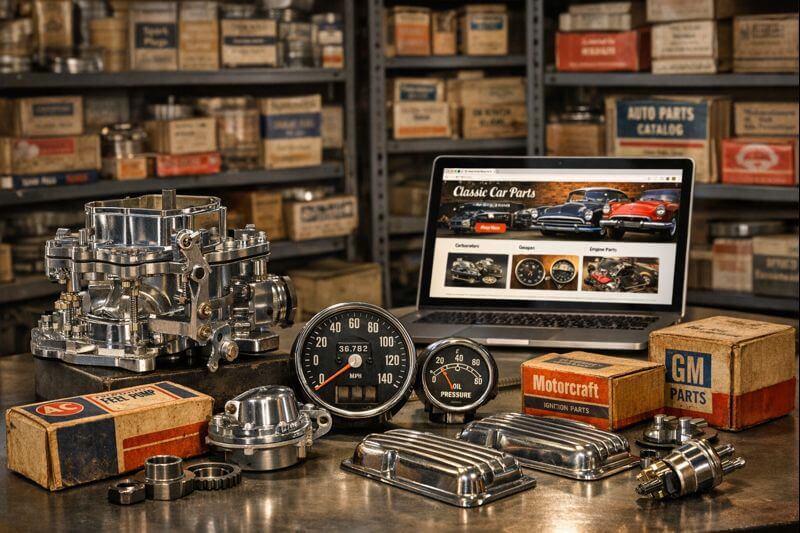
Yes, there are specialized websites that focus exclusively on rare, discontinued, and hard-to-find automotive parts. These platforms serve classic car restorers, collectors, and enthusiasts searching for components that mainstream retailers no longer stock. Unlike general auto parts stores, these specialists maintain inventories of vintage components, offer sourcing services for obscure items, and connect buyers with verified sellers who understand the unique requirements of restoration projects.
The rare parts market exists because manufacturers typically discontinue components 10-15 years after a model’s production ends, yet collector vehicles often need original equipment decades later. This gap created an entire ecosystem of specialist suppliers, salvage operations, reproduction manufacturers, and peer-to-peer marketplaces dedicated to keeping classic vehicles roadworthy.
Why Rare Car Parts Require Specialized Sources
Standard auto parts retailers focus on current and recent-model vehicles where demand justifies inventory costs. When you need a carburetor rebuild kit for a 1967 Alfa Romeo Spider or door seals for a 1985 Renault Alliance, mainstream channels typically can’t help.
Rare parts specialists succeed by understanding three critical factors:
Deep catalog knowledge – They maintain cross-reference databases connecting part numbers across decades, including superseded numbers and international variations that casual sellers miss.
Sourcing networks – Established relationships with overseas suppliers, estate sales, closed dealerships, and manufacturer heritage programs provide access to parts that don’t appear in online searches.
Authentication expertise – They can distinguish genuine NOS (New Old Stock) components from reproductions, identify correct date codes, and verify compatibility with specific production runs.
Types of Websites That Sell Rare Car Parts
Marque-Specific Specialist Retailers
These businesses focus on particular brands or model families, often run by former mechanics or lifelong enthusiasts who know every quirk of their chosen vehicles.
Classic Industries specializes in restoration parts for American muscle cars and trucks, maintaining one of the largest inventories of GM, Mopar, and Ford components from the 1950s-1980s. Their catalog includes everything from weatherstripping to complete body panels, with particular strength in Chevrolet Camaro and Pontiac Firebird parts.
British Parts Northwest serves British Leyland vehicles—MG, Triumph, Austin-Healey, and Jaguar. They stock both original equipment and quality reproductions, understanding that some British car parts simply cannot be found as NOS anymore.
Pelican Parts dominates the German car restoration market, particularly for Porsche, BMW, and Mercedes-Benz. Their technical articles and forums complement their parts inventory, creating a comprehensive resource for European car restoration.
These specialists typically offer technical support, helping buyers identify correct parts for specific year/model combinations where subtle changes matter significantly.
Classic Car Marketplaces and Aggregators
Hemmings Motor News operates the largest classic car parts marketplace in North America. Beyond classified ads, their Parts Locator service actively searches for specific components, leveraging relationships built over decades in the collector car industry.
eBay Motors remains surprisingly effective for rare parts, particularly when using advanced search filters. The platform’s established buyer protection, seller ratings, and completed listings research tools help navigate authenticity concerns. Many professional parts dealers use eBay alongside their own websites.
Classic Car Parts (UK-based) aggregates inventory from multiple European suppliers, particularly strong for British and European vehicles uncommon in North American markets.
These platforms benefit from scale—the sheer volume of listings increases the probability of finding obscure components, though buyers must exercise more diligence verifying authenticity.
Manufacturer Heritage and Restoration Programs
Several automakers now operate official classic parts programs, recognizing the brand value in supporting their heritage vehicles.
Mercedes-Benz Classic Parts offers over 60,000 genuine parts for vehicles no longer in production, some dating back to the 1950s. They re-manufacture discontinued components to original specifications when demand justifies the investment.
Porsche Classic similarly supports vehicles 10+ years old, even producing complete body shells for certain models. Their parts carry factory warranty and perfect documentation for purists concerned about authenticity.
BMW Classic, Jaguar Classic, and General Motors Heritage Parts operate similar programs with varying inventory depth.
These manufacturer sources eliminate authenticity questions but typically command premium pricing and may require longer lead times for special-order components.
Online Forums and Community Classifieds
Enthusiast forums often host the most knowledgeable communities for specific vehicles, with classified sections where members sell surplus parts from their own restoration projects.
Pelican Parts Forums, The Samba (VW/Porsche), British Car Forum, and hundreds of model-specific communities offer classified sections alongside technical discussions. These venues work well for uncommon components that rarely reach commercial inventory.
The advantage: sellers typically know exactly what they have and can provide detailed provenance. The disadvantage: transactions happen between individuals without formal buyer protection, requiring trust-building through community reputation.
Bring a Trailer expanded beyond car sales into parts, attracting serious collectors willing to pay fair market prices for properly documented rare components.
Salvage Yards and Pick-Your-Part Networks
Car-Part.com networks together thousands of salvage yards, searching their inventories simultaneously. This proves invaluable for discontinued mechanical components where used/original equipment may be the only available option.
LKQ operates a nationwide network including specialized classic car salvage facilities. Their professional dismantling and inventory systems make finding usable cores easier than traditional junkyards.
Salvage sources work best for mechanical components, trim pieces, and glass where condition can be assessed. They’re less suitable for weathered rubber goods or items requiring perfect cosmetic condition.
Reproduction Parts Manufacturers
When original equipment no longer exists, quality reproduction manufacturers fill the gap.
Dynacorn International produces complete body shells and major panels for popular American classics—Camaro, Mustang, Charger, and others. These aren’t “rare parts” technically, but they keep rare cars restorable.
Restoration Design manufactures rubber weatherstripping, seals, and interior components for various American and European classics, reverse-engineering discontinued items.
NPD (National Parts Depot) offers comprehensive restoration parts for Ford vehicles, combining genuine NOS with quality reproductions clearly labeled to prevent misrepresentation.
Understanding the difference between reproduction and original equipment matters significantly. Concours-level restorations often require documented original parts, while drivers prioritize function and availability.
How to Verify Authenticity and Seller Trust
The rare parts market unfortunately, attracts counterfeiters and misrepresentation. Protecting yourself requires systematic verification.
Part Number Cross-Referencing
Genuine parts carry manufacturer stampings, casting numbers, and date codes. Before purchasing:
- Request clear photographs of all markings
- Cross-reference part numbers in factory service manuals or marque-specific parts catalogs
- Verify the number matches your specific year/model/production date
- Check for superseded part numbers (manufacturers often consolidated parts across model years)
Many enthusiast forums maintain databases of casting numbers and date codes specific to their vehicles. Use these resources before committing to expensive purchases.
Seller Reputation Research
For individual sellers:
- Check their history on the platform (years active, transaction volume, feedback patterns)
- Search their username across multiple forums and marketplaces
- Ask for additional photos or specific angle shots; reluctance suggests potential issues
- Request provenance documentation—where did they acquire the part?
For commercial sellers:
- Verify business longevity (established businesses have reputation to protect)
- Look for specialist credentials—club memberships, show sponsorships, published technical articles
- Check independent review sites and enthusiast forums for unfiltered feedback
- Confirm return policies and warranty terms in writing before purchasing
Physical Inspection When Possible
For high-value components, traveling to inspect personally before purchase may justify the expense. This particularly matters for:
- Complete engines or transmissions where internal condition determines value
- Body panels where shipping damage risks outweigh remote purchase convenience
- Rare interior components where color match and condition photographs can’t fully convey
VIN Matching for Numbered Components
Some components—especially for high-value collector vehicles—should match the vehicle’s VIN or production sequence. This includes:
- Engine blocks
- Transmission cases
- Differential housings (for certain models)
- Cylinder heads (on numbers-matching restorations)
For concours-level restorations, matching numbers significantly affects value. Verify stampings against factory production records when authenticity matters.
Authentication Services
For extremely rare or valuable parts, third-party authentication may justify the cost. Marque clubs often offer authentication services for significant components, documenting provenance and originality for future sale or insurance purposes.
Common Risks When Buying Rare Car Parts
Understanding typical problems helps avoid expensive mistakes.
Counterfeit Parts Increasingly Sophisticated
Modern manufacturing enables convincing reproductions of supposedly “NOS” parts. Brake components, ignition parts, and gaskets particularly suffer from counterfeiting because:
- Packaging can be reproduced more easily than complex mechanical components
- Critical dimensions and materials may differ despite correct appearance
- Safety implications make this especially concerning
Always purchase brake and safety-critical components from verified sources with documented supply chains. The modest savings from questionable sellers isn’t worth the risk.
Misidentified Compatibility
Subtle production changes mean parts that look identical may not interchange. This particularly affects:
- European vehicles with multiple market-specific variants
- American cars during transitional production years
- Models where running production changes occurred without model year updates
The seller may genuinely believe compatibility without understanding these nuances. Confirm fitment independently rather than relying on their assurance.
Condition Misrepresentation
“Good condition” means different things to different sellers. Establish clear definitions:
- Request multiple photographs from various angles with good lighting
- Ask specific condition questions: pitting depth, crack location, rust-through vs surface rust
- Understand that “rebuildable” cores may need extensive machining
- Recognize that NOS doesn’t guarantee perfect condition—parts can deteriorate in storage
For expensive items, consider hiring a local inspector to examine the part before purchase, especially when buying internationally.
Overpricing Relative to Market Value
Rare doesn’t automatically mean valuable. Some sellers price obscure parts astronomically simply because they’re hard to find, even though limited demand doesn’t support such pricing.
Research completed sales (not just current listings) to understand actual market value. eBay’s “sold listings” feature provides real transaction data. Forum members often share reasonable pricing expectations when asked respectfully.
Inadequate Return Policies
Many rare parts sell “as-is” with no returns, shifting all risk to buyers. This works when condition and compatibility are certain, but problems arise when:
- Parts arrive damaged from inadequate packaging
- Measurements provided were inaccurate
- Compatibility issues emerge despite both parties’ good faith efforts
Clarify return terms before purchase. For expensive items, consider escrow services or payment methods offering buyer protection.
Expert Tips From Real-World Restoration Experience
Start With the Most Difficult Components First
When planning restorations, identify and source the rarest, most critical parts before beginning disassembly. You don’t want a partially disassembled vehicle awaiting a single unobtainable component.
Create a prioritized parts list identifying:
- Unique components with no known substitutes or reproductions
- Items requiring long international shipping or custom manufacturing
- Parts where you’ll accept only original equipment for authenticity
Build Relationships With Specialist Suppliers
The best sources often don’t actively advertise. Becoming a known customer provides advantages:
- They’ll alert you when specific items arrive
- They may search their personal networks on your behalf
- Established trust enables purchasing unseen when truly rare items surface
This relationship-building takes time but pays substantial dividends throughout multi-year restoration projects.
Join Marque-Specific Clubs and Forums
National and regional clubs for your specific vehicle provide resources beyond parts sourcing:
- Technical advisors who solved the same problems you’re facing
- Group purchasing power for reproduction part runs
- Access to private collections and estate sales before public listing
- Authenticity expertise preventing expensive mistakes
Annual membership fees typically cost less than a single wrong parts purchase.
Understand When to Choose Reproduction Over Original
Purist instincts favor original equipment, but practical considerations sometimes suggest quality reproductions:
- Rubber components (weatherstripping, hoses, bushings) deteriorate regardless of storage
- Safety-critical items benefit from modern materials and manufacturing
- Drivers versus show cars have different requirements
- Some reproductions now exceed original quality
The key: purchase from reputable reproduction manufacturers who stand behind their products, not generic offshore items of unknown quality.
Document Everything Meticulously
Photograph parts before purchase (seller’s photos), upon arrival (condition documentation), and during installation (proving correct fitment). This documentation serves multiple purposes:
- Supports damage claims or disputes
- Provides installation reference for reassembly
- Creates value documentation for insurance purposes
- Helps future owners understand the restoration history
Be Patient and Persistent
Finding truly rare parts often requires months or years. Set up automated searches, check sources regularly, and understand that the right part at the right price eventually appears for patient buyers.
Desperation leads to overpaying or accepting inferior alternatives. Unless you’re under deadline pressure (professional restoration shops), patience generally rewards you.
Consider International Sources for Market-Specific Parts
American-market collectors often overlook European suppliers for parts that were more common abroad. Similarly, European enthusiasts may find American sources valuable for export-model components.
Language barriers and international shipping add complexity, but broaden your possible sources significantly. Many specialist suppliers ship internationally and have English-speaking staff accustomed to overseas customers.
FAQs
Are there websites that specialize in rare car parts?
Yes, numerous websites specialize in rare car parts, including marque-specific retailers like Classic Industries and Pelican Parts, manufacturer heritage programs from Mercedes-Benz and Porsche, classic car marketplaces like Hemmings, and salvage networks such as Car-Part.com that connect buyers with hard-to-find components.
What’s the best website for rare car parts?
The best website depends on your specific vehicle. Marque-specific specialists typically offer the deepest knowledge for particular brands, while broader marketplaces like eBay Motors and Hemmings provide the widest selection. Manufacturer heritage programs offer guaranteed authenticity but at premium prices.
How do I know if rare car parts are genuine?
Verify authenticity by checking part numbers against factory service manuals, examining manufacturer stampings and date codes, researching seller reputation through forums and reviews, and requesting detailed photographs of all markings. For high-value items, consider third-party authentication services.
Are reproduction parts as good as original?
Quality reproductions often meet or exceed original specifications using modern materials and manufacturing. However, they lack period-correct authenticity for concours judging. Choose reproductions for driver restorations and safety-critical components; pursue original equipment when authenticity affects vehicle value.
How much do rare car parts typically cost?
Pricing varies dramatically from $50-500 for common restoration items to $10,000+ for extremely rare components. Factors include vehicle collectibility, part scarcity, reproduction availability, and whether the component is cosmetic or mechanical. Research completed sales rather than asking prices for realistic market values.
Conclusion
Yes, specialized websites for rare car parts exist across multiple categories—from manufacturer heritage programs and marque-specific retailers to classic car marketplaces and enthusiast forums. The key to successful sourcing involves combining these platforms strategically while verifying authenticity through part numbers, seller reputation, and community expertise. Whether you need NOS components for a concours restoration or quality reproductions for a driver, today’s rare parts market offers more access than ever before. Success requires patience, proper verification, and understanding that the best sources often emerge through relationships within your vehicle’s enthusiast community rather than simple internet searches alone.