
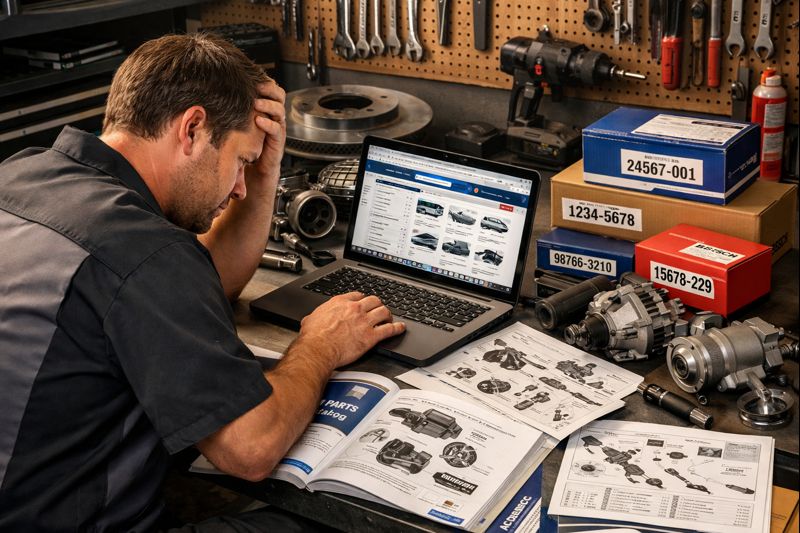
There’s nothing more frustrating than being ready to fix your car, only to discover that the exact part you need is nowhere to be found. Whether you’re staring at a discontinued component, dealing with an older vehicle, or searching for something obscure, that sinking feeling is universal among car owners and mechanics alike.
I’ve spent years tracking down hard-to-find components for everything from classic restorations to modern imports, and I can tell you this: there’s almost always a solution. The part might not arrive in the exact form you expected, but with the right approach, you can get your vehicle back on the road.
Let me walk you through the proven strategies that actually work when standard suppliers come up empty.
Step 1: Verify You’re Searching for the Correct Part
Before you go deeper down the rabbit hole, make absolutely certain you’re looking for the right component. This sounds obvious, but I’ve watched countless people waste days searching for parts using incorrect information.
Use your Vehicle Identification Number (VIN). This 17-character code is your most reliable tool for identifying exact specifications. Dealerships and quality auto parts suppliers can decode your VIN to tell you precisely which parts fit your specific vehicle, accounting for mid-year changes, trim levels, and regional variations that often trip people up.
Cross-reference multiple part numbers. Manufacturers sometimes use different numbering systems, and the same component might appear under several designations. Original Equipment Manufacturer (OEM) numbers differ from aftermarket equivalents, and superseded parts often replace older versions. Check your owner’s manual, existing part labels, and online catalogs to confirm you’re not missing an alternative listing.
Photograph the actual part if possible. If you’re replacing something already removed, clear photos from multiple angles help suppliers visually confirm what you need. This proves invaluable for components where subtle design changes occurred over production years.
Step 2: Expand Your Search to Aftermarket Alternatives
When OEM parts are unavailable or prohibitively expensive, aftermarket manufacturers often provide excellent alternatives. The aftermarket industry exists specifically to fill gaps left by original manufacturers, especially for older or less common vehicles.
Quality aftermarket parts frequently match or exceed OEM standards. Reputable brands invest heavily in engineering and testing. In some cases, aftermarket suppliers actually improve upon original designs, addressing known weaknesses in factory components.
Research brand reputation carefully. Not all aftermarket parts are created equal. Look for manufacturers with solid warranties, positive professional reviews, and ISO certifications. Mechanics and specialty forums for your vehicle type are goldmines of information about which brands deliver reliability.
Check compatibility specifications thoroughly. Aftermarket parts might fit multiple vehicle years or models, but subtle differences matter. Verify mounting points, electrical connections, dimensions, and any software compatibility for electronic components. A part that “mostly fits” creates more problems than it solves.
Step 3: Contact Dealerships and Authorized Service Centers
Dealerships maintain connections to manufacturer networks that independent suppliers can’t access. Even if a part shows as discontinued in public databases, dealership parts departments sometimes locate remaining inventory through internal channels.
Ask about superseded part numbers. Manufacturers regularly update components, and newer versions often replace older ones. The parts department can identify if an updated part serves the same function, even if it looks slightly different or carries a different number.
Inquire about factory special orders. For certain components, manufacturers still produce parts on demand even after discontinuing regular production. These special orders take longer and cost more, but they’re authentic factory parts when nothing else works.
Get regional warehouses involved. Dealerships can search inventory across their network. What’s unavailable locally might be sitting in a warehouse across the country. Be prepared to pay shipping costs, but this often beats the alternatives.
Step 4: Search Salvage Yards and Auto Recyclers
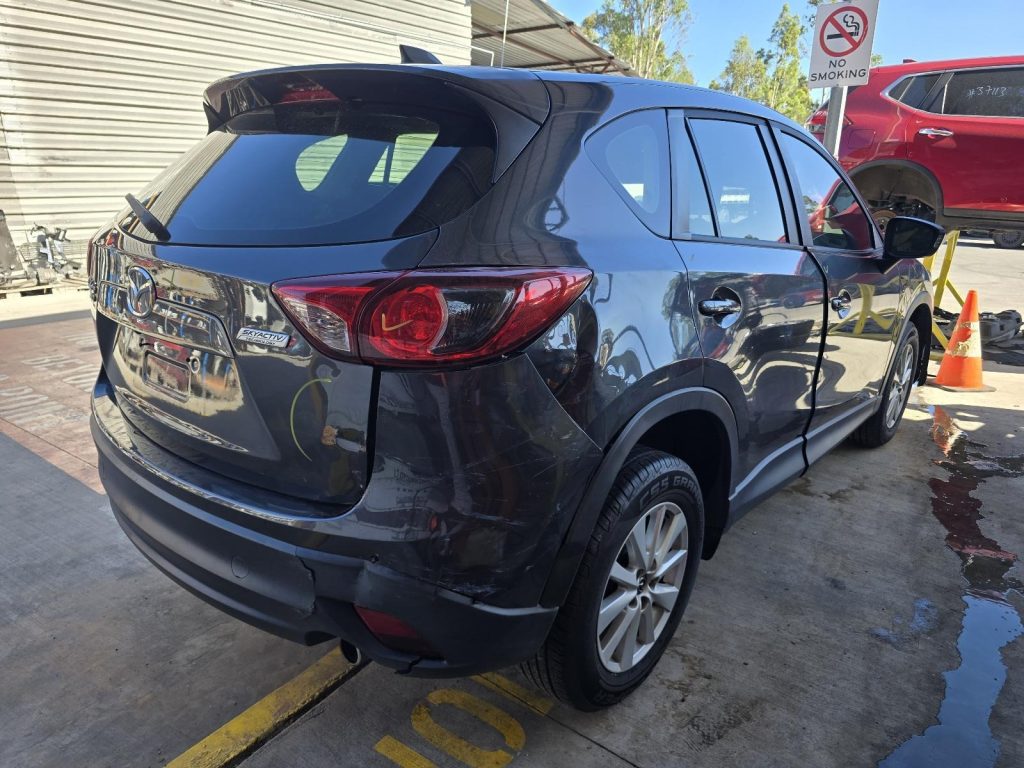
Modern salvage yards bear little resemblance to the junkyards of old. Professional auto recyclers operate sophisticated inventory systems, and they’re absolute goldmines for discontinued, rare, or expensive components.
Use online salvage yard networks. Services that connect to hundreds of recyclers nationwide let you search massive inventories from home. Many yards photograph and grade their parts, offering warranties that protect your purchase.
Visit local yards for hands-on inspection. If you need to see exactly what you’re getting, especially for body panels or interior components where condition matters, nothing beats walking the yard yourself. Bring your tools, take measurements, and inspect thoroughly before buying.
Ask about parts interchange. Experienced yard workers know which components swap between different models and years. That hard-to-find part for your specific vehicle might be abundant on a closely related model you never considered.
Time your search strategically. Salvage yards constantly receive new inventory. If they don’t have what you need today, ask them to contact you when similar vehicles arrive. Building relationships with yard staff pays dividends over time.
Step 5: Explore Specialty Suppliers and Enthusiast Networks
Every vehicle type has dedicated suppliers and passionate owner communities. These specialized resources often stock parts that mainstream suppliers abandoned years ago.
Connect with marque-specific suppliers. Companies focusing exclusively on particular brands or vehicle types maintain deep inventories of hard-to-find components. They understand the common failure points and stock accordingly.
Join owner clubs and online forums. Enthusiast communities are incredibly generous with knowledge and resources. Members often know exactly where to find obscure parts, which suppliers deliver quality, and which ones to avoid. Many maintain classified sections where members sell parts directly to each other.
Attend swap meets and auto shows. Regional gatherings bring together vendors and collectors with parts you won’t find anywhere else. These events are particularly valuable for classic vehicles and discontinued models.
Step 6: Consider Remanufactured and Refurbished Components
When new parts are unavailable, professionally remanufactured or refurbished components offer reliable alternatives at reasonable prices.
Understand the difference between refurbished and remanufactured. Refurbished parts are cleaned, inspected, and repaired as needed. Remanufactured parts are completely disassembled, worn components replaced, and rebuilt to meet or exceed original specifications. Remanufactured parts typically carry better warranties and reliability.
Focus on reputable remanufacturers. Companies specializing in starters, alternators, transmissions, and other major components often produce exceptional quality. Look for warranties of at least one year, ideally matching new part coverage.
Be selective about what you buy used. Certain components make excellent candidates for remanufactured alternatives—starters, alternators, steering racks, brake calipers. Others, particularly safety-critical items like brake pads or sensors, should always be new unless you can verify their history and condition absolutely.
Step 7: Investigate Custom Fabrication and Modification
When every conventional avenue fails, fabrication might be your answer. This approach requires more investment and expertise, but it solves otherwise impossible situations.
Machine shops can manufacture simple parts. Brackets, bushings, spacers, and basic mechanical components can often be fabricated to match your original part. Bring the old component or precise measurements to a qualified machining shop.
3D printing opens new possibilities. For certain plastic components, particularly interior trim pieces or small brackets, 3D printing technology has matured enough to produce functional parts. Enthusiast communities sometimes share design files for common hard-to-find components.
Consider part substitution with modification. Sometimes a readily available part from a different application can be adapted to work. This requires mechanical knowledge and careful engineering to ensure safety and reliability, but experienced mechanics employ this strategy regularly.
Work with specialists for complex items. Electrical harnesses, upholstery, weatherstripping, and other specialized components need experts who understand the specific requirements. These custom solutions cost more but deliver exact replacements when nothing else exists.
Cost Considerations and Budget Planning
Finding rare parts often means paying premium prices. Approach the economics strategically to avoid overspending or getting scammed.
Compare total costs, not just part prices. A cheaper component requiring extensive shipping time, professional installation, or modification might ultimately cost more than a pricier plug-and-play alternative. Calculate the complete picture including labor, shipping, and potential complications.
Watch for price gouging. Some sellers exploit desperate buyers searching for discontinued parts. Research what the part sold for when readily available, and be skeptical of prices exceeding 200-300% of original retail unless the part is genuinely rare and in high demand.
Factor in vehicle value. Spending $800 on a part for a vehicle worth $2,000 might not make financial sense. Sometimes the hard truth is that certain repairs aren’t economically justifiable, especially if multiple expensive components are failing.
Ask about return policies. Given the higher risk with hard-to-find parts, ensure you can return items that don’t fit or meet your expectations. Reputable suppliers stand behind their products even for special orders.
Safety and Compatibility Warning Signs
Never compromise safety to save money or time when sourcing replacement parts.
Avoid counterfeit components. Fake parts flooding online marketplaces look convincingly genuine but fail catastrophically. Suspiciously low prices, vague seller information, and lack of proper packaging indicate potential counterfeits. Stick with verified suppliers and authorized distributors.
Verify critical safety components. Brake parts, suspension components, steering elements, and airbag systems must meet exact specifications. Using incorrect or substandard parts in these systems puts lives at risk. When in doubt, consult a professional mechanic.
Test electrical components before installation. For sensors, modules, and electronic parts, verify functionality before installation if possible. Many auto parts stores will test components free of charge, potentially saving you from installing a defective part.
Document everything. Keep records of part numbers, supplier information, purchase dates, and any warranties. If problems arise, this documentation proves invaluable for returns, warranty claims, or future troubleshooting.
Expert Tips Most People Overlook
After years in the automotive industry, these lesser-known strategies consistently produce results:
Call during off-peak hours. Parts department staff have more time to research unusual requests when they’re not swamped with customers. Late morning on weekdays typically offers the best service.
Learn basic industry terminology. Understanding the difference between genuine, OEM, OES (Original Equipment Supplier), and aftermarket helps you communicate effectively with suppliers and find parts listed under different categories.
Check international sources for imported vehicles. European or Asian vehicles sometimes have better parts availability in their home markets. International shipping adds cost and time, but it might be your only option for certain components.
Investigate fleet suppliers. Companies servicing commercial fleets often maintain stocks of common wear items for older vehicles still in service. What’s discontinued for consumer sales might be readily available through commercial channels.
Ask body shops about collision parts. Body shops specializing in your vehicle brand might know sources for exterior components, lights, and trim that typical mechanics don’t access regularly.
When to Stop Searching and Consider Alternatives
Sometimes persistence crosses into futility. Recognize when it’s time to pivot your strategy.
The part genuinely doesn’t exist anymore. Certain components for very old or rare vehicles simply aren’t made anymore, and no remaining inventory exists anywhere. Continuing to search wastes time better spent exploring fabrication or vehicle replacement.
Repair costs approach vehicle value. When finding the part becomes so expensive that fixing the vehicle doesn’t make financial sense, be honest about your options. Sometimes the money is better invested in a different vehicle.
You’re compromising safety. If you can only find questionable parts from dubious suppliers, and the component affects safety, don’t install it. Selling the vehicle as-is or parting it out might be the responsible choice.
Timeline constraints make it impossible. If you need the vehicle operational immediately for work or family needs, and sourcing the part takes weeks or months, consider temporary solutions like rental vehicles while you continue searching, or more permanent solutions like vehicle replacement.
Frequently Asked Questions
How long should I wait for a backordered part before looking elsewhere?
If a supplier provides a specific delivery date within 4-6 weeks and has a good track record, it’s usually worth waiting. Beyond that timeframe, or if the supplier can’t commit to a date, begin pursuing alternative sources immediately while keeping the backorder active as a backup.
Are used parts from eBay or Facebook Marketplace reliable?
They can be, but approach with caution. Check seller ratings extensively, ask for detailed photos showing part numbers and condition, verify return policies, and use secure payment methods that offer buyer protection. Private sellers often have reasonable prices, but you assume more risk than buying from established businesses.
Can I use a part from a different model year on my vehicle?
Sometimes, but you must verify compatibility carefully. Parts that look identical might have subtle differences in mounting points, electrical connections, or dimensions. Consult interchange guides, ask knowledgeable mechanics, or check enthusiast forums for your specific application before purchasing.
What’s the difference between OEM and genuine parts?
Genuine parts come directly from the vehicle manufacturer and carry their branding. OEM (Original Equipment Manufacturer) parts are made by the same suppliers who built the original components, but sold without the vehicle manufacturer’s branding. They’re typically identical in quality but cost less without the brand name premium.
Is it worth paying for expedited shipping on hard-to-find parts?
If the vehicle is needed urgently and the part is confirmed available, expedited shipping makes sense. However, for rare parts that need to be located or specially ordered, rushing often doesn’t help since the delay is in sourcing, not shipping. Confirm the part is actually in stock before paying for faster delivery.
How do I know if a remanufactured part is quality?
Look for established remanufacturers with strong warranty coverage (minimum one year), industry certifications, and positive reviews from professional mechanics. Companies specializing in specific component types (like transmissions or alternators) typically produce better quality than general remanufacturers handling everything.
Can dealerships really find discontinued parts?
Sometimes. They have access to manufacturer networks that might locate remaining warehouse inventory, identify superseded replacement parts, or arrange special production runs for critical components. It’s always worth asking, especially for vehicles less than 15-20 years old.
What should I do if I receive the wrong part?
Contact the supplier immediately, before installation. Photograph the part with its packaging and labeling, explain the discrepancy clearly, and follow their return process. Reputable suppliers will exchange incorrect parts, though you might wait for return processing. This is why verifying parts before installation is crucial.
Conclusion
Finding an elusive car part feels overwhelming, but you have more options than you realize. Start by verifying your part numbers using your VIN, then explore aftermarket alternatives, salvage yards, and specialty suppliers. Don’t overlook remanufactured components or enthusiast communities—they’re goldmines for discontinued parts. When all else fails, custom fabrication can solve seemingly impossible situations. The key is staying methodical, prioritizing safety over speed, and knowing when professional help makes sense. Remember, the automotive aftermarket exists specifically to solve these challenges. With patience and the right approach, you’ll get your vehicle running again. Keep searching—solutions are out there.